Let’s face it – camera lenses aren’t cheap. Whether it’s a beloved 50mm prime or that expensive telephoto zoom, proper care can mean the difference between crystal-clear shots and frustrating blur. Here’s everything photographers need to know about keeping their glass in top condition.
Start with the Basics: Daily Cleaning Rituals
The secret to lens longevity starts with simple, regular maintenance. Before diving into any cleaning, grab that trusty air blower and give the lens a few good puffs. This simple step removes loose dust particles that could scratch the glass during wiping . Think of it like dusting furniture before wiping it down – it just makes sense.
The Right Tools Make All the Difference
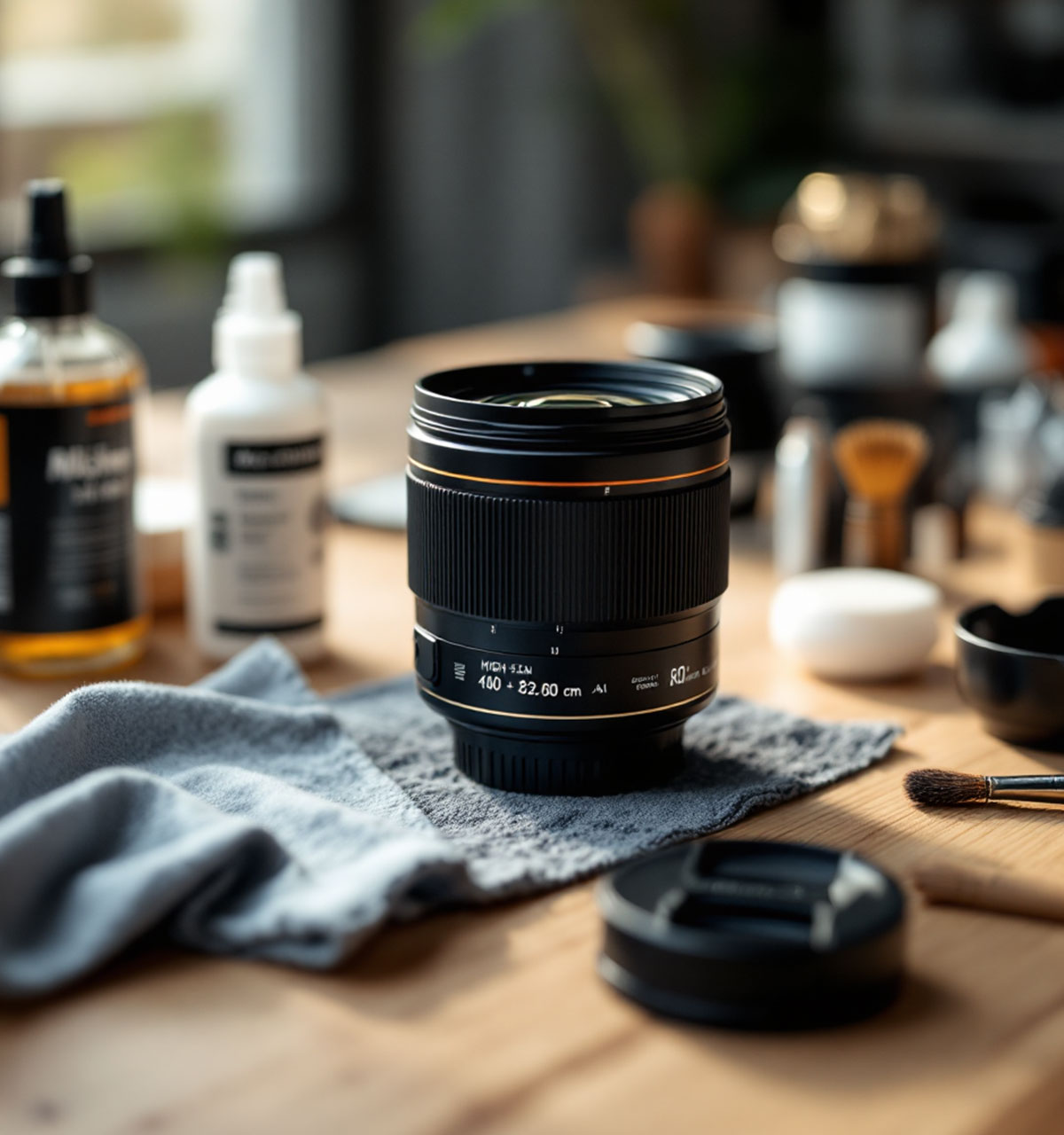
Every photographer’s bag should contain these essential cleaning tools:
- A quality lens blower (not canned air – it can spray chemicals)
- Soft-bristled brush (camel or goat hair works best)
- Clean microfiber cloths
- Lens cleaning solution
- Pre-moistened lens wipes for emergencies
Tackling Different Types of Dirt
Dust and Debris
Start with the blower, then use a soft brush for stubborn particles. Working from the center outward in gentle circular motions helps avoid pushing dirt into the edges . Never skip the blowing step – it’s crucial for preventing scratches.
Fingerprints and Smudges
Here’s where technique matters most. Apply a drop or two of cleaning solution to a microfiber cloth – never directly on the lens. Gently clean in circular motions from the center outward. Less pressure is more when it comes to lens cleaning .
Moisture and Condensation
Moving between different temperatures can fog up lenses faster than a hot shower fogs a mirror. Let the lens naturally acclimate instead of wiping away condensation. For humid environments, keeping silica gel packets in the camera bag can be a game-changer .
Storage Smarts
Smart storage equals longer lens life. Keep lenses in a cool, dry place between 60-75°F with humidity between 30-50% . A good quality camera bag with proper padding makes a world of difference. Store lenses upright with their front element facing up to prevent stress on internal components .
When to Call the Pros
Sometimes, DIY just won’t cut it. Consider professional servicing when:
- There’s internal dust or debris
- The focus ring feels rough or sticky
- Autofocus becomes inconsistent
- There’s visible damage to lens elements
Professional cleaning services might seem expensive, but they’re cheaper than replacing a damaged lens .
Common Mistakes to Avoid
Let’s talk about what not to do:
- Using shirt sleeves or tissues to clean lenses
- Breathing on lenses to fog them up
- Leaving lenses exposed to direct sunlight
- Storing without lens caps
- Using excessive force when cleaning
The Long Game
Think of lens care as an investment in future photos. A well-maintained lens can last decades, while a neglected one might need replacing in just a few years. Regular maintenance might take a few extra minutes, but the results speak for themselves – sharp, clear images that make every shot count.
Final Thoughts
Taking care of camera lenses doesn’t need to be complicated. With the right tools, proper technique, and a bit of regular attention, those precious pieces of glass will keep delivering stunning images for years to come. Remember: gentle, consistent care beats aggressive cleaning every time.
Got any lens care tips to share? Drop them in the comments below – photographers always love learning new tricks of the trade.