Introduction to Camera Lenses for Video Production
A great camera body is only one part of the equation when it comes to creating high-quality video. The lens, however, is arguably the most crucial component. It’s the lens that dictates how the world is seen, controlling everything from the field of view and depth of field to the overall aesthetic and mood of your footage. While a camera captures the image, the lens shapes it, transforming a simple sensor recording into a visual story.
Choosing the right lens can feel overwhelming, especially with so many options available. Each lens is designed for a specific purpose, and understanding their unique characteristics is key to unlocking your creative potential. In this guide, we’ll break down the different types of camera lenses used in video production and help you understand how to pick the perfect one for your next project. We’ll explore the main categories, discuss their advantages, and provide insights into when to use each one to achieve the look you’re going for.
Different Types of Camera Lenses
Prime Lenses
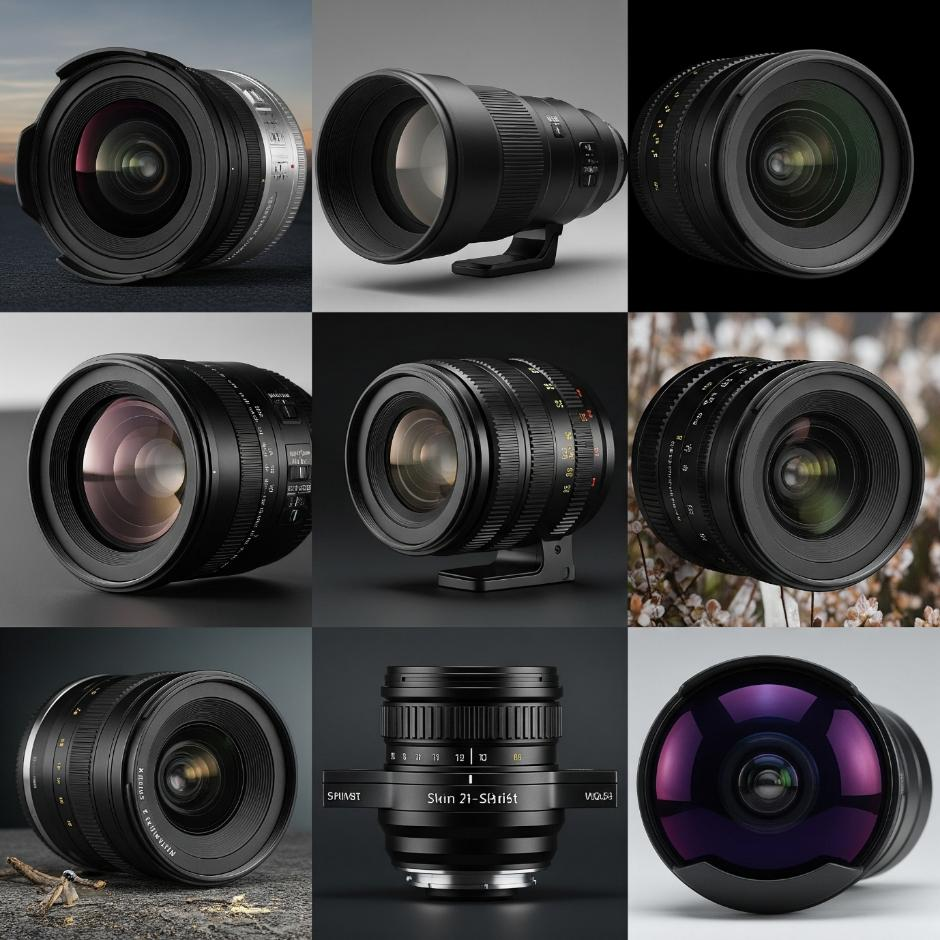
Prime lenses have a fixed focal length, meaning they cannot zoom in or out. This might sound limiting, but it’s precisely this limitation that makes them so powerful. By forcing you to physically move to frame a shot, prime lenses encourage more deliberate and creative filmmaking. Their fixed design also allows for simpler construction, which generally results in a larger maximum aperture (a lower f-number). This makes them excellent for shooting in low light and for creating a shallow depth of field, where the subject is in sharp focus while the background is beautifully blurred, giving your video a cinematic look.
The lack of moving parts for zooming also means prime lenses are often sharper and can have better optical quality than their zoom counterparts. Common focal lengths for prime lenses include 24mm, 35mm, 50mm, and 85mm. The 50mm lens, often referred to as the “nifty fifty,” is a popular starter lens because it closely mimics the perspective of the human eye and is affordable. Prime lenses are ideal for interviews, portraits, and any situation where a shallow depth of field is desired.
Zoom Lenses
Unlike prime lenses, zoom lenses have a variable focal length, allowing you to zoom in and out without changing lenses. This flexibility makes them incredibly popular, especially for run-and-gun shooting, documentaries, and live events where you don’t have time to swap lenses. With a single zoom lens, you can capture wide establishing shots and tight close-ups, saving you time and effort on set.
While not always as sharp or fast as prime lenses, modern zoom lenses have made significant advancements in optical quality. They are often a great all-around choice for a production kit. Common zoom lens options include wide-angle zooms (like a 16-35mm), standard zooms (like a 24-70mm), and telephoto zooms (like a 70-200mm). The convenience of a zoom lens is hard to beat, making it an essential tool for many video professionals.
Wide-Angle Lenses
Wide-angle lenses have a short focal length (typically 35mm or shorter), which captures a large field of view. This makes them perfect for shooting in tight spaces, capturing sweeping landscapes, or establishing the setting of a scene. They can create a sense of scale and immersion, drawing the viewer into the environment.
A key characteristic of wide-angle lenses is their ability to exaggerate perspective, making objects closer to the camera appear larger and those farther away seem smaller. This can be used creatively to emphasize a subject or create a sense of dynamic movement. However, be mindful of distortion, especially on the edges of the frame. Wide-angle lenses are essential for establishing shots, dynamic action sequences, and architectural or real estate videos.
Telephoto Lenses
Telephoto lenses have a long focal length (typically 70mm and above), which allows them to capture subjects from a great distance. They compress perspective, making objects in the foreground and background appear closer together. This effect can be used to isolate a subject from its environment or to create a more intimate, flattering portrait.
Telephoto lenses are a staple for wildlife filmmaking, sports videography, and capturing details that are physically out of reach. An 85mm lens is a great option for portraits, while longer lenses like 200mm or 400mm are used for distant subjects. It’s important to use a tripod or stabilizer with telephoto lenses to avoid camera shake, as any small movement will be magnified.
Choosing the Right Lens for Your Video Project
Selecting the right lens is a creative choice that should be guided by the story you want to tell. Start by considering the type of video you are making and the shots you need to capture.
For interviews and narrative storytelling, a prime lens like a 35mm or 50mm can create beautiful, focused shots with a cinematic feel. For documentaries or event coverage, the flexibility of a zoom lens like a 24-70mm or 70-200mm will be a lifesaver. If you’re shooting a vlog or real estate video, a wide-angle lens is necessary to show off a space or a scenic view.
Think about the atmosphere you want to create. Do you want to feel close to the subject and capture subtle emotions (a telephoto prime), or do you want to feel like a fly on the wall, observing a wide scene (a wide-angle zoom)?
Your budget is also a key factor. If you’re just starting, a versatile standard zoom lens is a great all-in-one option. As you grow, you can invest in specific prime lenses to achieve unique looks and improve low-light performance. Ultimately, the best lens is the one that helps you achieve your creative vision and brings your video to life.