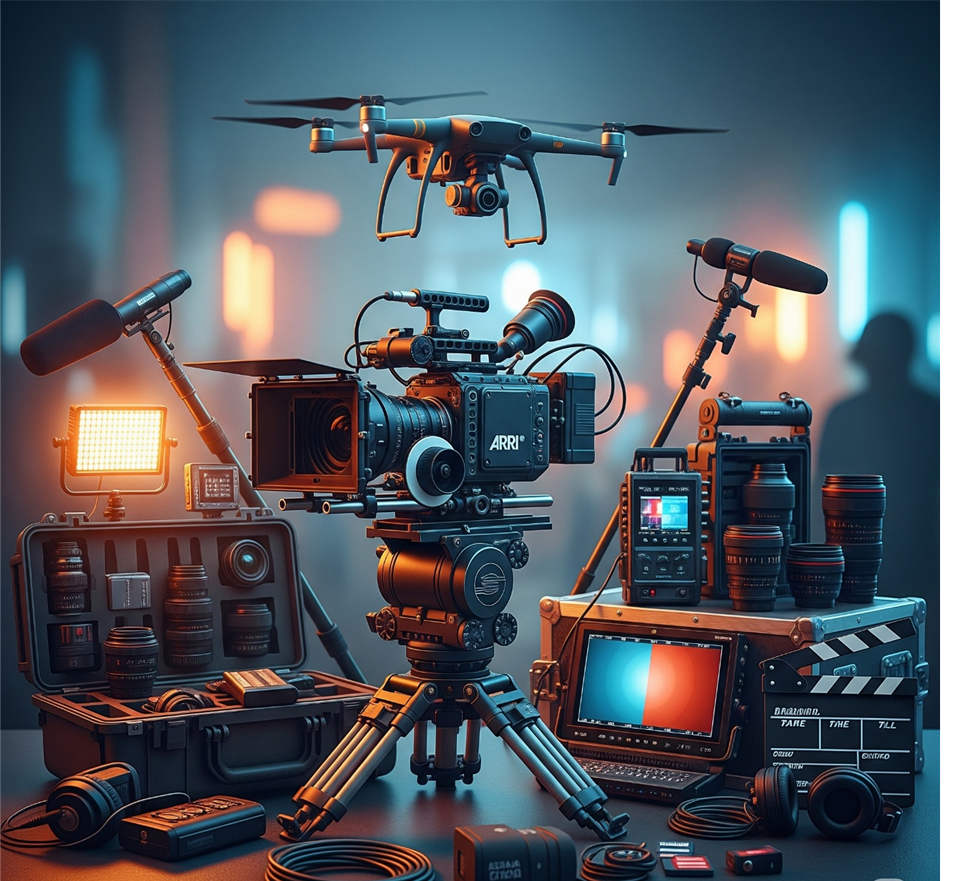
Introduction to Video Production Equipment
If you’re an aspiring filmmaker, YouTuber, or content creator, you know that great video isn’t just about a good story—it’s also about high-quality production. While having a creative vision is key, the right gear can elevate your content from amateur to professional. The good news is that you don’t need to break the bank to get started. By understanding the core tools and their functions, you can build a kit that meets your needs and budget.
This guide will walk you through the essential equipment you need to start producing high-quality videos, covering everything from the camera you shoot with to the software you use to edit. We’ll explore the key components of a production kit, helping you make informed decisions so you can focus on what matters most: telling your story.
Essential Gear for Filmmaking
Types of Cameras
The camera is the heart of your video production setup. While a high-end cinema camera is the dream for many, modern DSLRs, mirrorless cameras, and even high-end smartphones can produce stunning results.
DSLRs and Mirrorless Cameras: These are popular choices for filmmakers due to their large sensors, which provide better image quality in low light and a shallow depth of field for that cinematic, blurry background look. They also offer interchangeable lenses, giving you creative control over your shots. Mirrorless cameras are generally more compact and lightweight than DSLRs, making them great for run-and-gun shooting.
Action Cameras: Brands like GoPro have made these small, rugged cameras famous for capturing dynamic, first-person shots. They’re perfect for outdoor adventures, sports, and unique angles you can’t get with a traditional camera.
Professional Camcorders and Cinema Cameras: These are for the pros. They offer advanced features like built-in ND filters, professional audio inputs, and superior codecs. While they come with a high price tag, they are designed for serious productions and long shooting days.
Regardless of the type, look for a camera that can shoot in at least 4K resolution and has good low-light performance.
Lighting Tools
Good lighting is a game-changer. It separates professional-looking video from something that looks like it was shot in a dark room. You don’t need a massive lighting truck to get started; a few key tools can make a huge difference.
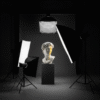
LED Panels: These are the most common and versatile lights for video production. They are cool to the touch, energy-efficient, and can be easily adjusted for brightness and color temperature. A popular setup is the three-point lighting technique, which uses a key light, fill light, and backlight to illuminate your subject and give your video a polished, three-dimensional look.
Ring Lights: Often used for vlogging, makeup tutorials, and interviews, a ring light creates a soft, flattering light with a signature circular reflection in the eyes. They are a simple and effective way to light a subject evenly from the front.
Diffusers and Reflectors: These are passive tools that are just as important as the lights themselves. A diffuser softens harsh light, while a reflector bounces light back onto your subject, filling in shadows and evening out the illumination. You can get professional collapsible reflectors or use a simple piece of white foam board.
Audio Equipment
Even the most beautiful video can be ruined by poor audio. Viewers are more forgiving of less-than-perfect visuals than they are of bad sound.
Microphones: Your camera’s built-in microphone is rarely good enough. A dedicated microphone is a must.
- Shotgun Mics: These directional microphones are great for capturing sound from a specific direction while rejecting noise from the sides. They are often mounted on top of the camera or a boom pole.
- Lavalier (Lav) Mics: Small and discreet, these clip-on mics are perfect for interviews and vlogging. They capture clear, consistent audio directly from the speaker, regardless of how they move.
- USB Mics: Ideal for voiceovers, podcasts, and desktop recording, these mics plug directly into your computer and offer excellent sound quality.
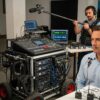
Audio Recorders: For the best quality, many filmmakers use an external audio recorder to capture sound separately from the video. This avoids the limitations of the camera’s audio circuits and provides more control in post-production.
Accessories and Additional Gear
With your camera, lights, and audio sorted, these final pieces of gear will complete your setup.
- Tripods and Stabilizers: A tripod is essential for stable, static shots. For dynamic, moving shots, a gimbal or stabilizer will eliminate shaky footage, making your video look smooth and professional.
- Editing Software: This is where your video comes to life. Popular options include Adobe Premiere Pro, DaVinci Resolve, and Final Cut Pro. DaVinci Resolve is an excellent choice as it offers a robust free version.
- Storage: Shooting high-quality video creates large files. Invest in a reliable external hard drive to store and back up your footage. Fast SD cards or CFast cards are also crucial for your camera to keep up with high data rates.
- Production Accessories: Don’t forget the small things that make a big difference, such as extra batteries, cables, and a camera bag to keep your equipment safe and organized.
Building your video production kit is a journey, not a destination. Start with the essentials, and as you grow and your needs change, you can add more specialized equipment. What’s the first piece of equipment you’re looking to add to your kit?