In the film industry there’s an old adage: “You don’t shoot with a camera; you shoot with light.” This statement reveals a basic truth: a good camera without adequate lighting is nothing more than an expensive device. Your video’s quality, the mood it conveys, and the ability of it to convey a message is all determined by the way you control the light. For many filmmakers the best way to achieve a professional appearance is not to purchase a costly lighting equipment instead, rent one. Partnering with professional production equipment companies provides access to the tools you require for the specific scene you are working on and allows you to perfect your craft without the need for a long-term expense.
Let’s dive into the essential types of lights and accessories you should be familiar with before you make that call.
The Essential Trio: Key, Fill, and Backlights 🎬
Professional lighting setups often utilize the three-point lighting system as their basis. While you can always experiment and break from convention, understanding this basis of illumination is fundamental.
Key Light: Your primary lighting source and most powerful light in your setup, the Key Light plays an essential role in defining the shape and form of subjects in photographs. Often positioned at 45 degrees relative to their subjects, its primary task is defining their shapes and forms through creating dramatic shadows while soft key lights offer gentler yet flattering illuminations.
Fill Light: When placed opposite to your key light, fill lights serve to fill in or soften shadows created by it. They typically produce less intensity than key lighting and you can easily control its power to alter mood – for example, increasing its ratio will create dramatic lighting with high contrast (low key lighting) while decreasing it will result in bright even lighting (high key lighting).
Backlight (or Hair Light): This light is placed behind a subject and illuminated from behind them, providing illumination from behind that creates a subtle rim of light around their head and shoulders to add depth and separate them from their background. David Landau writes in Lighting for Cinematography, that light is an unspoken medium which conveys messages. How we choose to utilize light can reveal more about a character or scene’s inner life or atmosphere than any verbal exchange can. This simple yet profound truth underlies why lighting has such an incredible power over storytelling
“Light is a powerful, silent communicator,” writes David Landau in Lighting for Cinematography. “The way we choose to use it can say more about a character’s inner life, or the mood of a scene, than any line of dialogue.” This simple but profound concept is why the right lighting is so transformative.
Different Types of Lights to Rent 🎛️
When you walk into a rental house, you’ll encounter a variety of lighting instruments, each with a unique purpose. Knowing what you need for your project will save you time and money.
| Light Type | Pros ✅ | Cons ❌ | Best Use Case |
| LED Panels | Energy efficient, cool to the touch, and often bi-color (adjustable color temperature). They offer a soft, diffuse light ideal for interviews and talking-head videos. | Can be less powerful than other lights, may cause minor flickering at certain shutter speeds. | Interview setups, corporate videos, vlogging, and live-streaming. |
| HMI Lights | Extremely powerful, bright, and daylight-balanced. They can be used to simulate sunlight and are excellent for large outdoor scenes or when you need to overpower the sun. | Hot, heavy, and require a ballast. They are typically more expensive to rent. | Large-scale productions, outdoor shoots, and simulating daylight. |
| Tungsten Lights | Known for their consistent, warm color temperature (3200K) and beautiful, soft light. They are often less expensive to rent than HMIs or LEDs. | Produce a lot of heat, which can be uncomfortable for talent and requires careful management on set. | Interior narrative scenes, recreating warm artificial light sources. |
| Tube Lights (e.g., Aputure Amaran T2c) | Versatile and creative. These can be used as practical lights in a scene, for adding color accents, or as a backlight. | Generally not powerful enough to be a main key light for an entire scene. | Adding practical effects, accenting backgrounds, and creative lighting. |
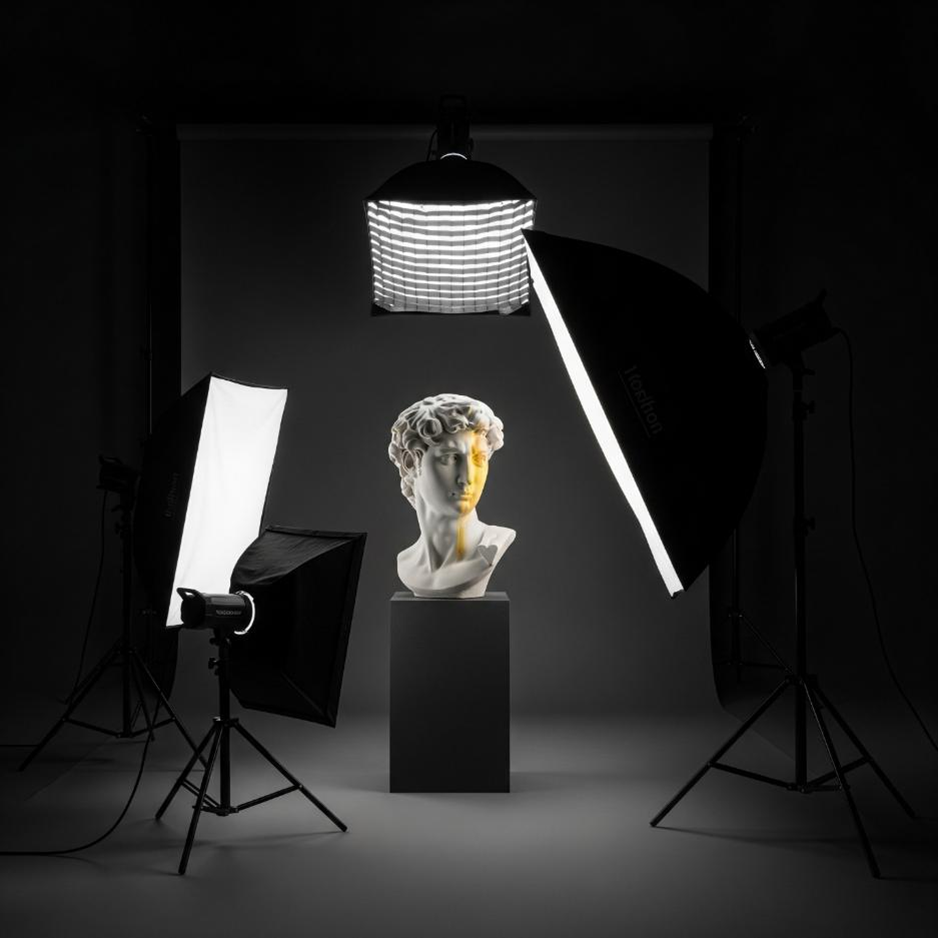
Softboxes diffuse light for a more subtle look; reflectors bounce light back onto subjects to fill shadows; and C-stands serve as essential workhorses, holding all lights and modifiers securely in place on sets. When renting cameras as well, renting full lighting kits from one place ensures compatibility and can save you money compared to renting from multiple providers separately.
The Strategy Behind Renting Light
Renting is often an intelligent decision for new and emerging filmmakers. Renting offers several distinct advantages over purchasing equipment, enabling you to build an adaptable toolkit tailored specifically for each unique production. Consider this: when shooting an intimate interview scene you might rent an LED softbox equipped with an HMI for key lighting as well as tube light for dramatic backlight. When creating brightly lit product commercials you might rent two HMIs as day lights; renting provides flexibility that meets production needs like this! This adaptability of gear to each specific production is renting’s greatest strength!
FAQs About Video Production Lighting
What are the key lights of a three-point setup?
A key light serves as the primary source of illumination and sets the overall mood and direction for all three points in any three-point arrangement. Without it, other lights cannot “fill-in” or differentiate.
Should I Use Soft or Hard Lighting For My Video Production?
That depends on the atmosphere you wish to convey in your video production. Soft light tends to produce more flattering photos with cleaner surfaces (ideal for interviews) while hard lighting creates strong shadows for dramatic or gritty tones.
What does “color temperature” mean and why is it essential?
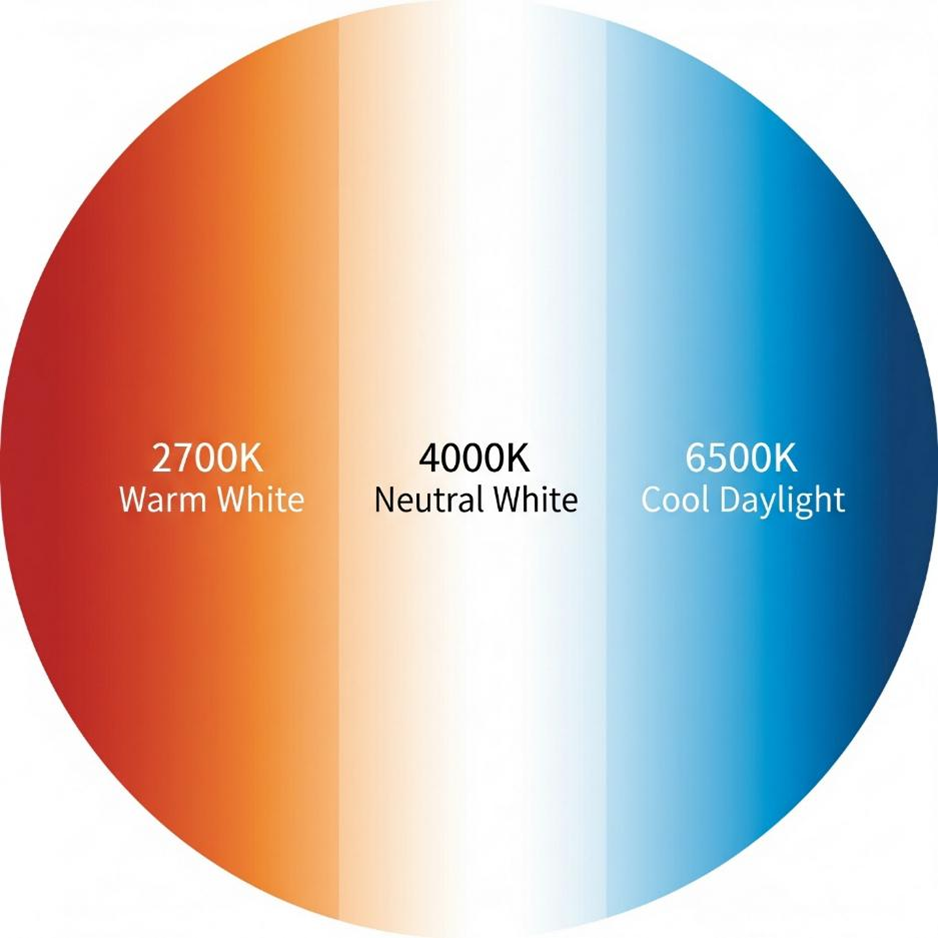
Color temperature measures the warmth or coolness of light, expressed as Kelvin (K). Lower numbers such as 2700K are warmer while higher ones such as 5600K provide cooler blue light resembling daylight conditions. Matching up the hue temperatures across lights for an organized, professional aesthetic.
Can I use natural lighting instead of renting a lighting kit for my video production?
Yes! . Natural lighting can be an incredible, beautiful resource; yet its effects are often unpredictable and require professional control in order to produce uniform results. Reflectors and flags should be used to manage light exposure; additional lights may also be utilized as backlighting solutions or shadow fillers. Renting a kit gives you full command over lighting regardless of time of day or weather conditions.