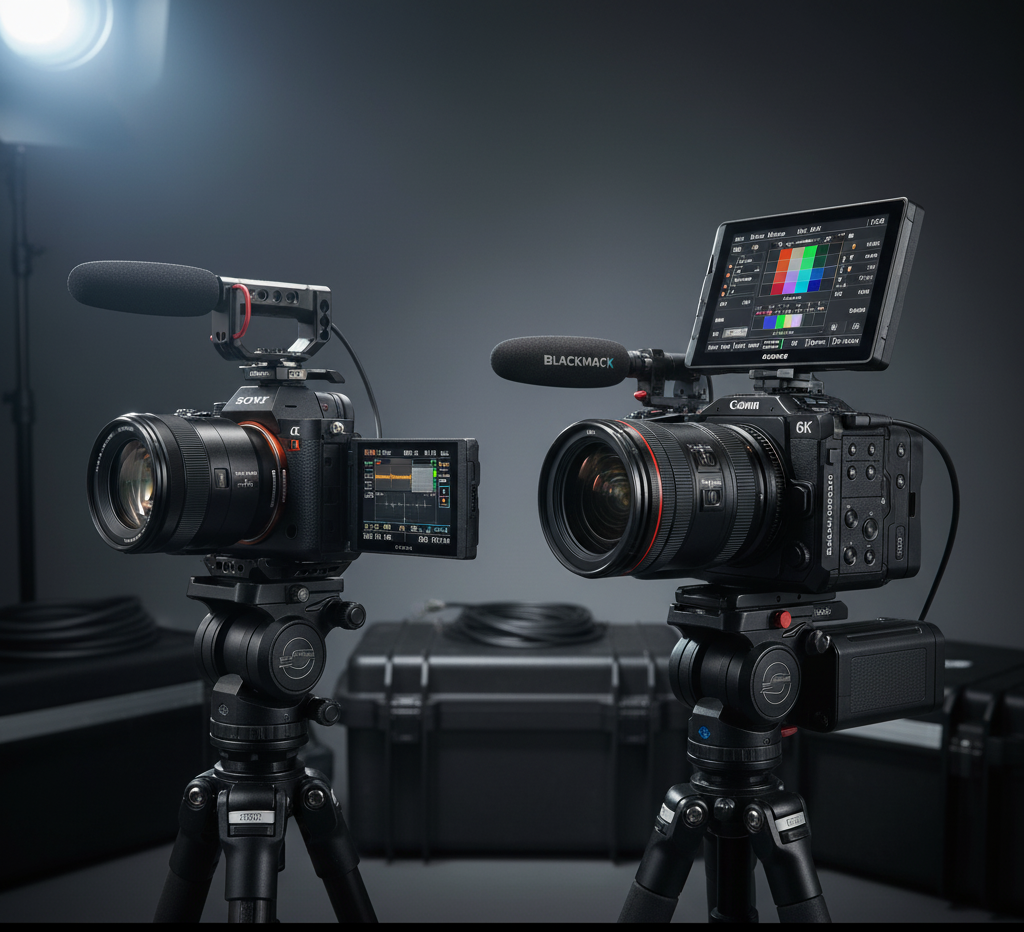
Sony a7S3 vs Blackmagic Pocket 6K Pro!
In the realm of filmmaking, choosing the right camera can make all the difference. Two standout contenders in the industry are the Sony a7S3 and the Blackmagic Pocket 6K Pro. Both cameras have established themselves as powerful tools for filmmakers, but how do they compare when it comes to low-light performance? This article will delve into the specifics of each camera, focusing on their capabilities in challenging lighting conditions.
Overview of the Sony a7S3
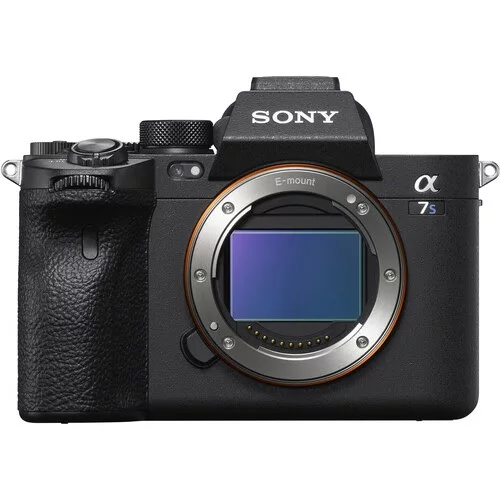
The Sony a7S3 is a full-frame mirrorless camera known for its exceptional low-light performance. It’s part of Sony’s acclaimed Alpha series and has been designed with filmmakers in mind. The a7S3 boasts a 12.1-megapixel sensor, which might seem low compared to others, but this is where it shines in low-light scenarios. The larger pixels on the sensor allow for better light gathering, resulting in cleaner images with less noise even in dim environments.
Key Features
- 12.1 Megapixel Full-Frame Sensor: Allows for excellent performance in low light.
- 4K Video Recording: Offers 120fps video for slow-motion capabilities.
- 15 Stops of Dynamic Range: Ensures detail in both shadows and highlights.
- Fast Hybrid Autofocus: Keeps subjects in sharp focus even in challenging conditions.
Overview of the Blackmagic Pocket 6K Pro
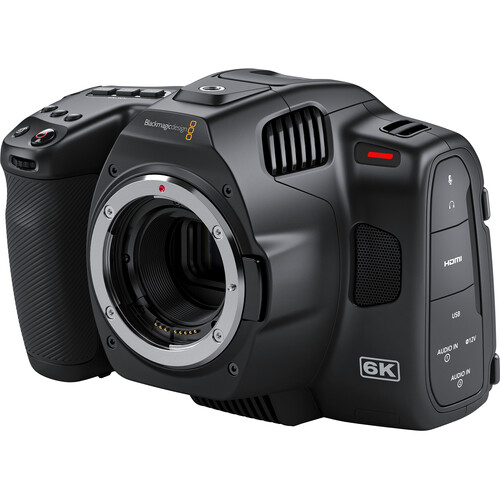
The Blackmagic Pocket 6K Pro is a game-changer in the realm of cinema cameras. Its Super 35 sensor with a resolution of 6144 x 3456 allows for stunning detail and clarity. Unlike the Sony a7S3, the Pocket 6K Pro is built specifically for video and comes with a host of features designed to cater to the needs of serious filmmakers.
Key Features
- Super 35 Sensor: Delivers cinematic quality images with a large field of view.
- 6K Video Recording: Provides high-resolution video capture up to 50fps.
- 13 Stops of Dynamic Range: Offers a wide range of detail from dark shadows to bright highlights.
- Built-in ND Filters: Helps manage exposure without affecting the depth of field.
Low-Light Performance Comparison
When it comes to low-light performance, both cameras have their strengths and weaknesses. Let’s break down how each performs in less-than-ideal lighting situations.
Sony a7S3 in Low Light
The Sony a7S3 is celebrated for its low-light capabilities. Thanks to its large pixel size and full-frame sensor, it can maintain image quality with minimal noise, even at high ISO settings. This makes it a preferred choice for filmmakers working in unpredictable environments where lighting conditions can change rapidly.
- High ISO Performance: The a7S3 can comfortably shoot at ISO levels as high as 102,400, with expandable settings up to 409,600, providing flexibility in the darkest environments.
- Autofocus Accuracy: Its fast hybrid autofocus ensures that subjects remain sharp, even when light is scarce.
Blackmagic Pocket 6K Pro in Low Light
The Blackmagic Pocket 6K Pro, while not as lauded for low-light performance as the a7S3, still holds its ground. Its Super 35 sensor and wide dynamic range allow it to capture detailed images, although it may require more lighting adjustments or post-production work to reduce noise.
- Resolution and Detail: The higher resolution can help in preserving detail, which can be beneficial in post-production.
- Dynamic Range: While slightly lower than the a7S3, the 13 stops of dynamic range still provide ample room to maneuver in varying lighting conditions.
Usability for Filmmakers
Choosing between the Sony a7S3 and Blackmagic Pocket 6K Pro also depends on usability and the specific needs of filmmakers.
Sony a7S3 Usability
The a7S3 is known for its versatility. Its lightweight design and robust autofocus system make it ideal for run-and-gun shooting styles. Additionally, its in-body image stabilization is a significant plus for handheld shooting.
- Ergonomics: Compact and easy to handle for extended shooting periods.
- Battery Life: Offers longer shooting times without frequent changes.
Blackmagic Pocket 6K Pro Usability
The Pocket 6K Pro is designed with a more traditional cinema camera feel. It’s slightly bulkier, but this accommodates features like built-in ND filters and an articulating touchscreen, which can be advantageous for studio setups or controlled environments.
- Cinema Camera Features: Tailored towards filmmakers who require more manual control and customization.
- Power Options: Offers multiple power solutions, including optional battery grips for extended use.
Conclusion: Which Is Right for You?
Both the Sony a7S3 and Blackmagic Pocket 6K Pro have their own unique strengths, making them formidable contenders in the world of filmmaking. The choice ultimately depends on your specific needs and shooting style.
- For Low-Light Excellence: The Sony a7S3 is the go-to for those who often find themselves shooting in challenging lighting conditions, thanks to its superior ISO performance and dynamic range.
- For Cinematic Control: The Blackmagic Pocket 6K Pro offers unparalleled resolution and professional-grade features that cater to filmmakers focused on achieving a cinematic look.
In conclusion, both cameras excel in different areas, and understanding these can help you make an informed decision. Whether you prioritize low-light performance or high-resolution video capture, both options provide powerful tools to elevate your filmmaking projects.
Remember, the best video camera is the one that fits your creative vision and practical needs. Choose wisely, and happy shooting!“`